🐋 Blue Whale: The Gentle Giant of the Oceans
Imagine standing beside the largest creature ever to exist on Earth. Bigger than dinosaurs. Bigger than any elephant. That incredible animal is the Blue Whale. Despite their massive size, blue whales are peaceful, graceful, and surprisingly mysterious. They travel silently through deep oceans, communicate with low-frequency songs, and survive on tiny shrimp-like creatures called krill. Let’s dive deep into the world of this ocean giant.
5/14/20263 min read
⚡ Quick Facts
🌬️ The Blow
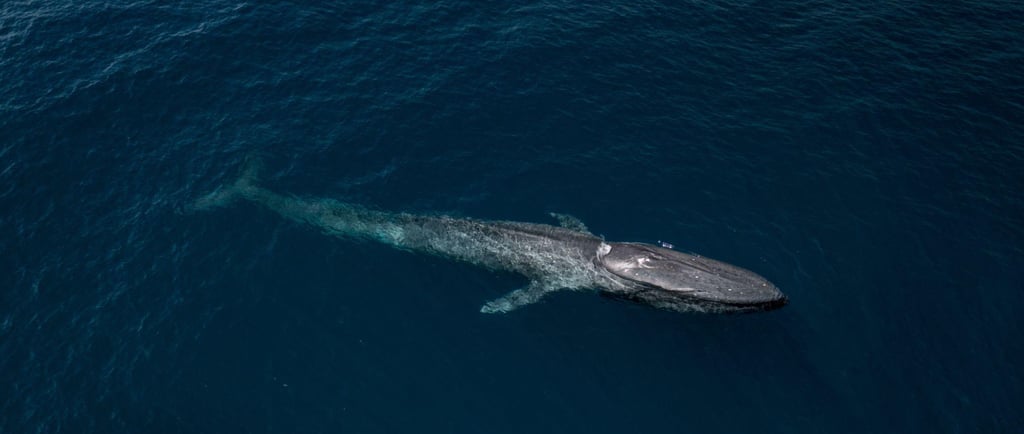
The blue whale is not just big—it’s unbelievably enormous.
📏 Size & Weight
Length: 24–30 meters (79–98 ft)
Weight: 100–200 tons
Heavier than 25 elephants combined
❤️ Lifespan
Can live 70–90 years
🐋 Baby Blue Whales
Calves are born around 6–7 meters long
A baby can gain 90 kilograms per day
🌊 Fun Fact
The blue whale’s heart is about the size of a small car.
👉 Even their tongue can weigh as much as an elephant!
You might think the largest animal on Earth eats giant sea creatures—but surprisingly, blue whales mostly eat tiny krill.
🦐 Main Diet
Krill (small shrimp-like crustaceans)
🍽️ How Much Do They Eat?
Up to 4 tons of krill every single day
🌊 How They Feed
Blue whales use a method called filter feeding:
They open their massive mouth underwater
Take in huge amounts of water
Push water out through baleen plates
Trap krill inside and swallow
👉 Tiny prey powers the biggest animal on the planet.
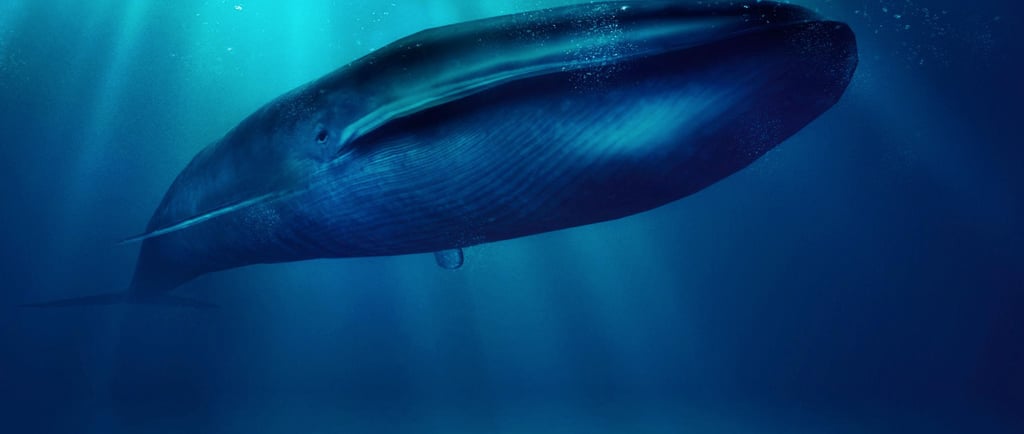
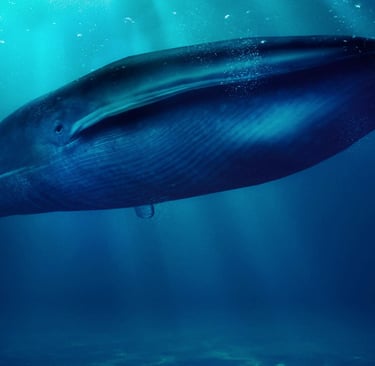
Every part of a blue whale’s body is designed for survival in the deep ocean.
🫁 Giant Lungs
Their lungs can hold over 5,000 liters of air, helping them dive deep underwater.
🐋 Streamlined Body
Their smooth, torpedo-shaped body reduces drag while swimming.
❤️ Huge Heart
Their heart can weigh around 180 kg (400 lbs).
🧊 Thick Blubber
A thick layer of fat keeps them warm in icy ocean waters.
🦴 Massive Tail
Their powerful tail helps move their enormous body across oceans.
👉 Nature engineered them perfectly for life in the sea.
My post content
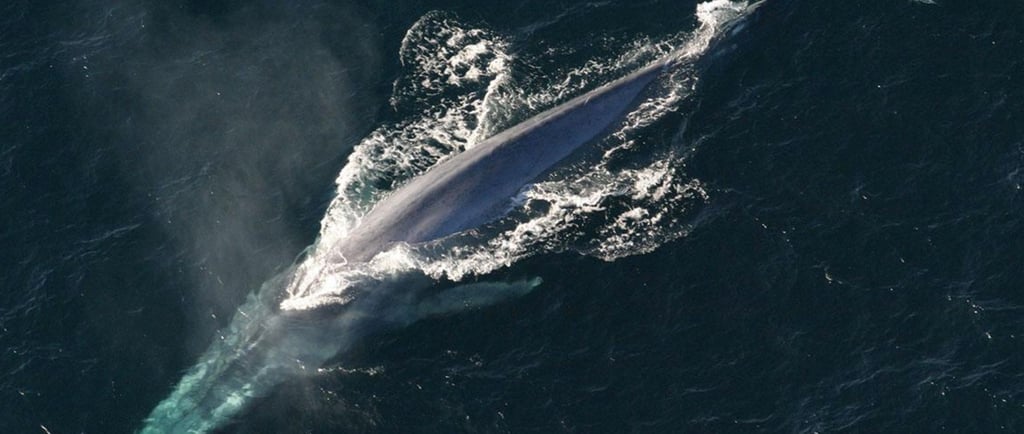
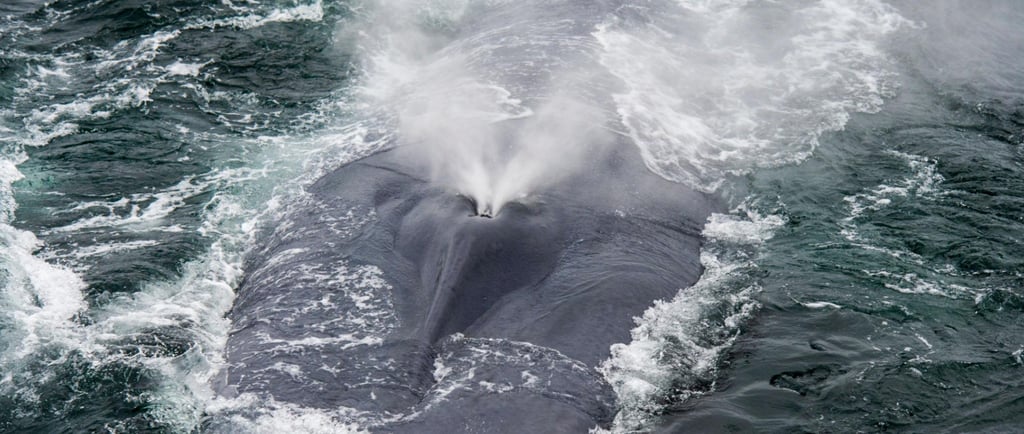
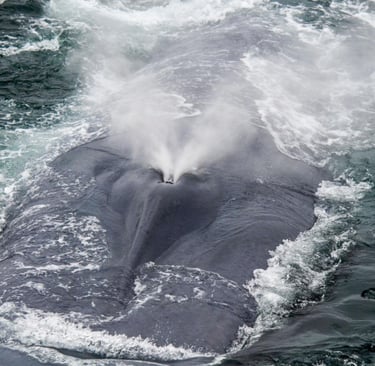
One of the most famous sights in the ocean is a blue whale’s blow.
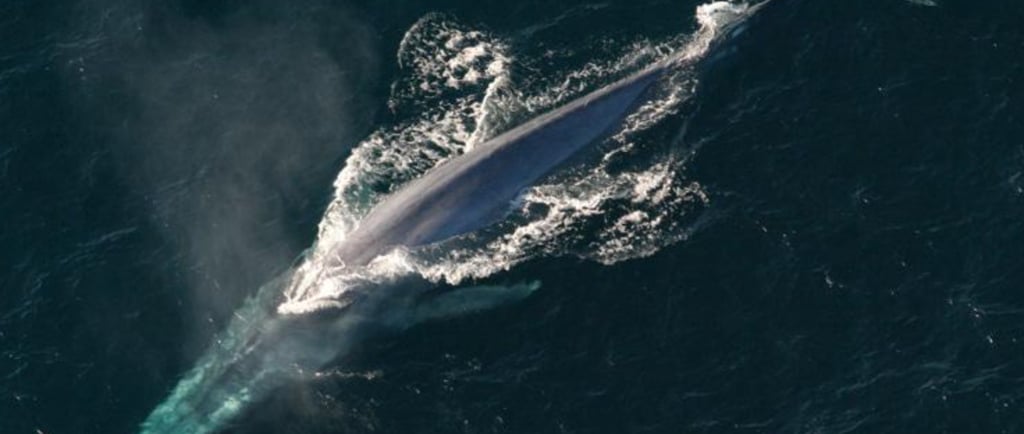
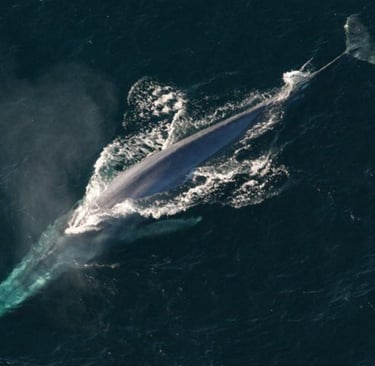
When blue whales surface, they forcefully exhale warm air through two blowholes on top of their head.
🌊 Amazing Facts About the Blow
Can shoot up to 10 meters (33 feet) high
Visible from far away on clear days
Lasts less than one second
💨 What Is It?
The “blow” is mostly:
Warm air
Water vapor
Tiny droplets of seawater
👉 Scientists often identify whales by the shape of their blow.
🔍 A Close Look
Blue whales may look simple from far away, but up close they are full of fascinating details.
👁️ Small Eyes
Their eyes are surprisingly tiny compared to their huge body.
🦷 Baleen Plates
Instead of teeth, they have baleen plates used for filtering food.
📏 Throat Grooves
Long grooves under the throat expand when feeding.
🐬 Pectoral Fins
Help them steer and balance underwater.
🌌 Unique Skin
Their blue-gray skin has beautiful light patterns and spots.
👉 Every feature has a purpose in survival.
🌍 Where They Live
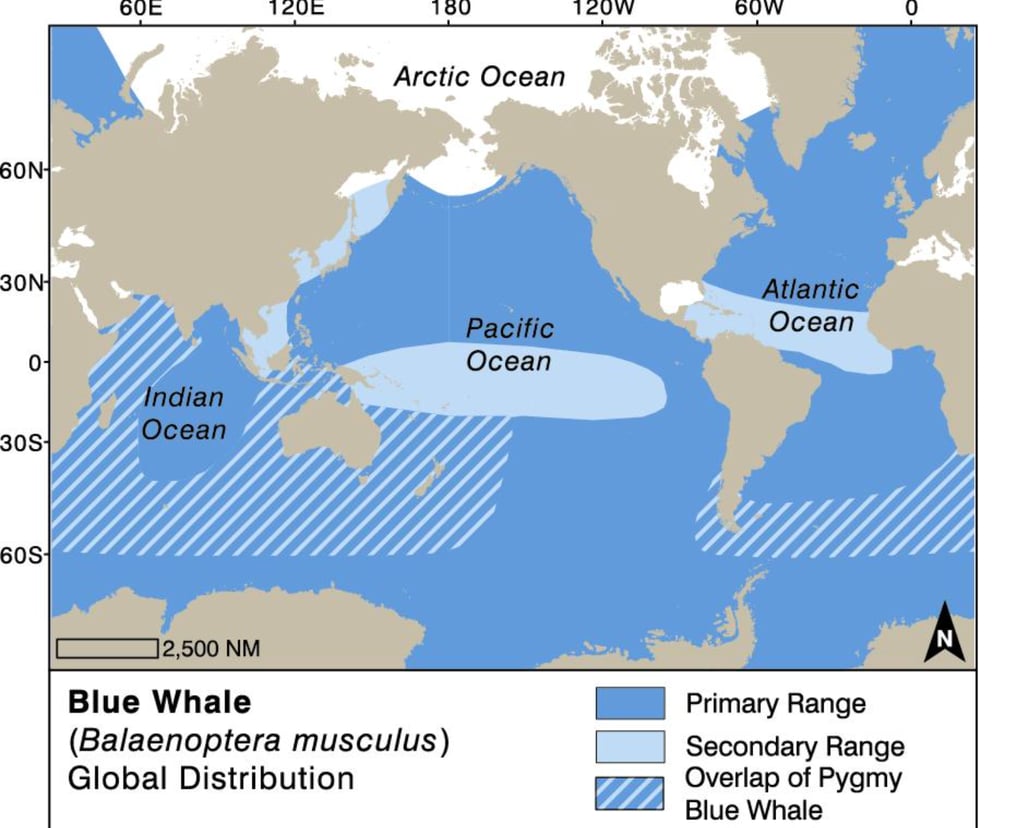
Blue whales are found in oceans all around the world.
🌊 Common Locations
Pacific Ocean
Atlantic Ocean
Indian Ocean
Southern Ocean
❄️ Feeding Areas
They feed in cold, nutrient-rich polar waters where krill are abundant.
☀️ Breeding Areas
They migrate to warmer tropical waters to mate and give birth.
🧭 Migration
Blue whales travel thousands of kilometers every year.
👉 They are true travelers of the oceans.
❤️ Final Thoughts
The Blue Whale is more than just the biggest animal alive—it’s a symbol of the ocean’s beauty, mystery, and power.
From their giant hearts to their peaceful nature, blue whales remind us how incredible life on Earth truly is.
Protecting them means protecting our oceans, climate, and future generations.
🐋 Big animal. Big impact. Big responsibility.