🐆 Snow Leopard: The Ghost of the Mountains
There’s something almost unreal about spotting a Snow Leopard in the wild. Silent, powerful, and perfectly blended into the mountains—it’s no wonder people call it the “Ghost of the Mountains.” But behind this beauty is a survival story shaped by extreme environments, shrinking habitats, and human pressure. Let’s explore everything about this incredible animal in a simple, human-friendly way.
vishal
5/9/20263 min read
🧬 1. Snow Leopard Bio
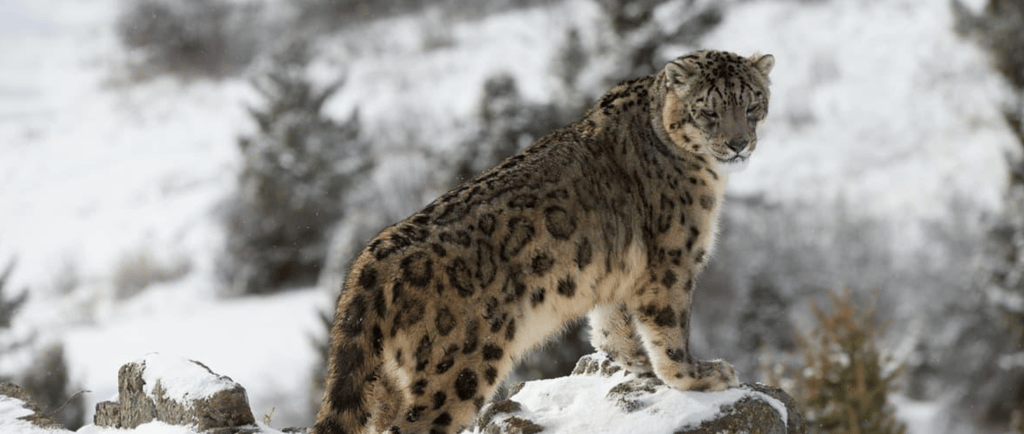
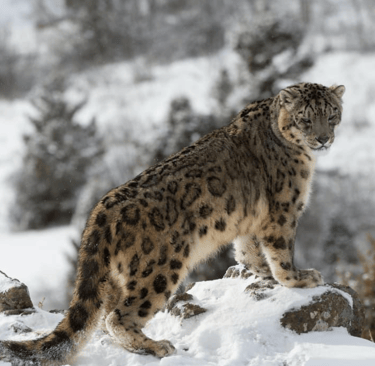
The snow leopard (Panthera uncia) is a large wild cat found in the mountains of Central and South Asia. Unlike other big cats, it’s incredibly shy and rarely seen in the wild.
🐾 Weight: 25–55 kg
📏 Length: 1–1.3 meters (body)
🐍 Tail: Almost as long as its body
⏳ Lifespan: 12–17 years
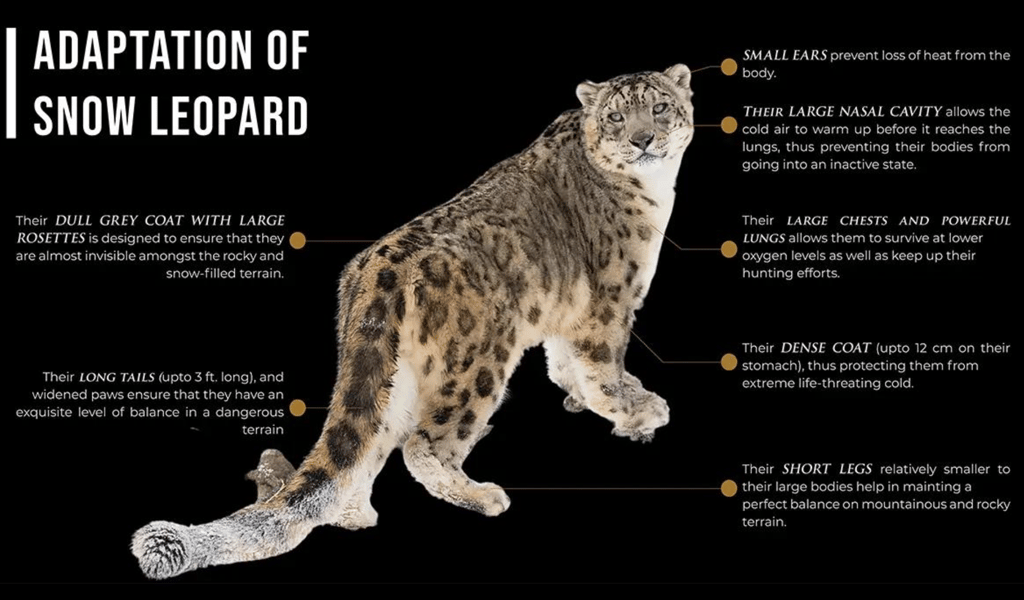
Its thick fur, smoky-grey color, and black rosettes help it blend perfectly into rocky terrain.
👉 Think of it as a ninja of the mountains—silent, invisible, and deadly when needed.
🏔️ 2. High Altitude Specialist
👉 They are literally built for survival where oxygen is low and temperatures are brutal.
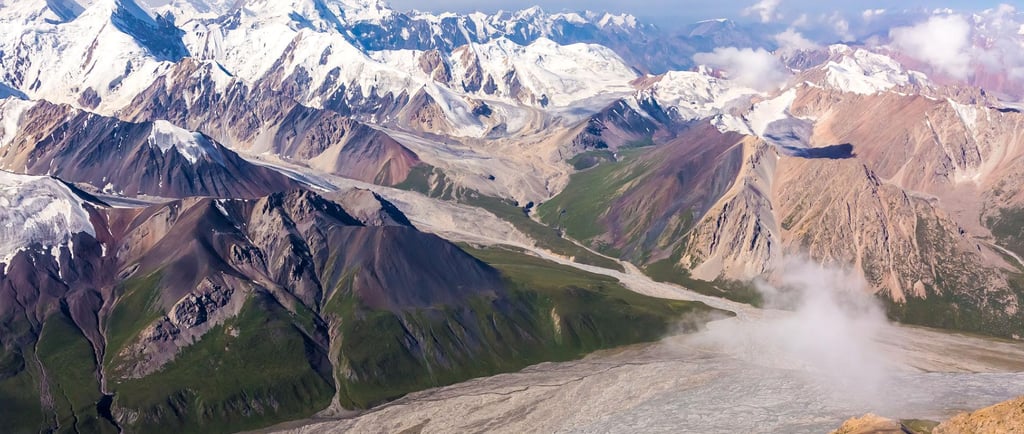
Snow leopards live where most animals struggle to survive—3,000 to 5,500 meters above sea level.
Here’s how they dominate such extreme conditions:
🧥 Thick Fur: Keeps them warm in -40°C temperatures
👣 Wide Paws: Act like natural snowshoes
👁️ Sharp Vision: Helps in low light and fog
🫁 Strong Lungs: Efficient oxygen use in thin air
🐍 Long Tail: Helps balance and acts like a blanket
Snow leopards are pure carnivores. Their diet depends on what’s available in the mountains. Main prey includes:
🍖 3. Diet (What They Eat)
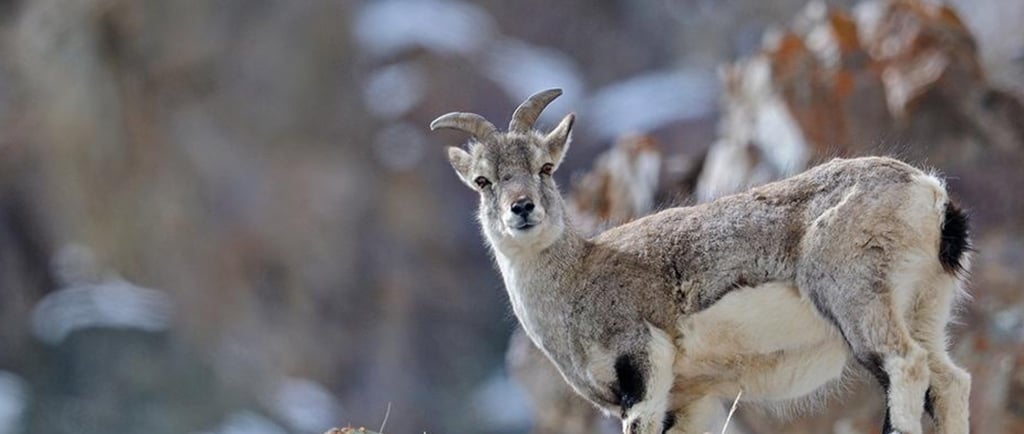
🐏 Blue Sheep (Bharal) – ~50%
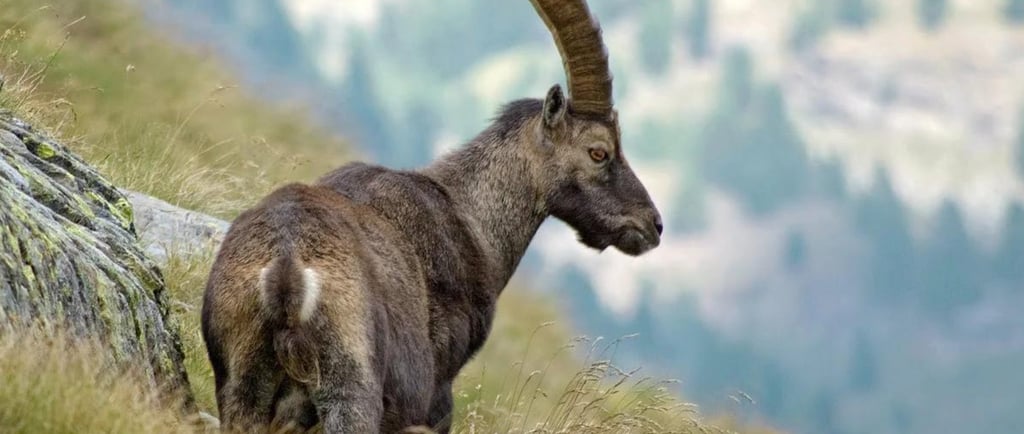
🐐 Ibex – ~20%
🐑 Himalayan Tahr – ~10%
🐭 Marmots & Pikas – ~10%
🐓 Others (birds, livestock) – ~10%
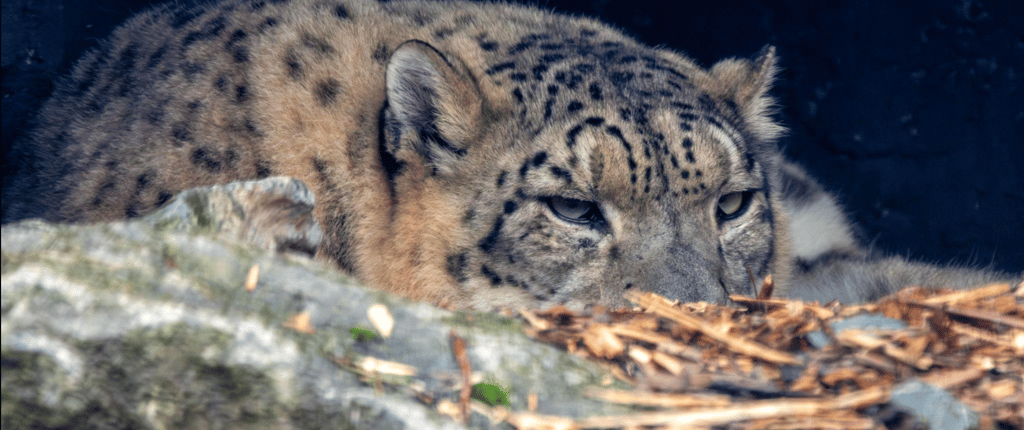
👉 They are ambush hunters—waiting silently, then attacking with explosive power.
⚠️ 4. Threats
Despite being powerful predators, snow leopards face serious dangers:
🔫 Poaching: For fur, bones, and illegal trade
🏗️ Habitat Loss: Roads, mining, and development
🐄 Human Conflict: Killed for attacking livestock
📉 Prey Decline: Overgrazing reduces wild prey
👉 The biggest threat? Humans.
International Union for Conservation of Nature lists the snow leopard as:
🔴 Vulnerable (VU)
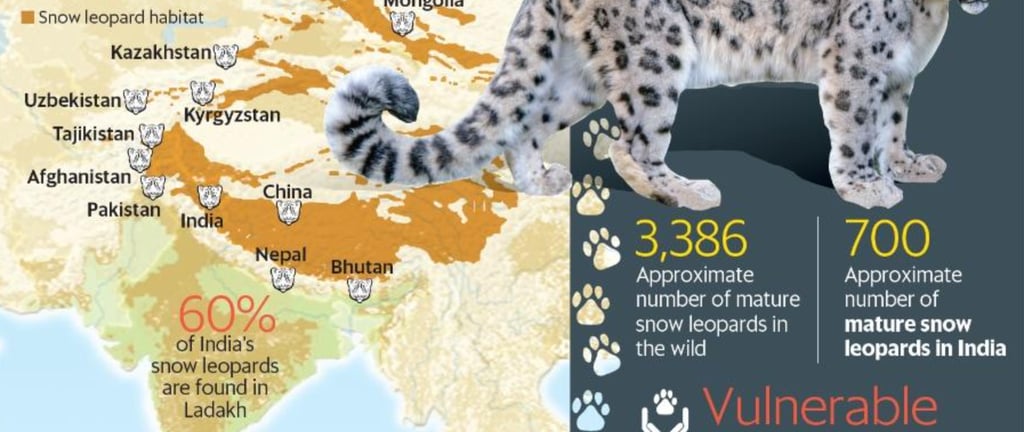
Estimated population: 4,000–6,500 in the wild
Population trend: Declining
👉 This means they are at high risk of becoming endangered if conditions don’t improve.
📊 5. IUCN Red List Status
🌍 6. Where They Live
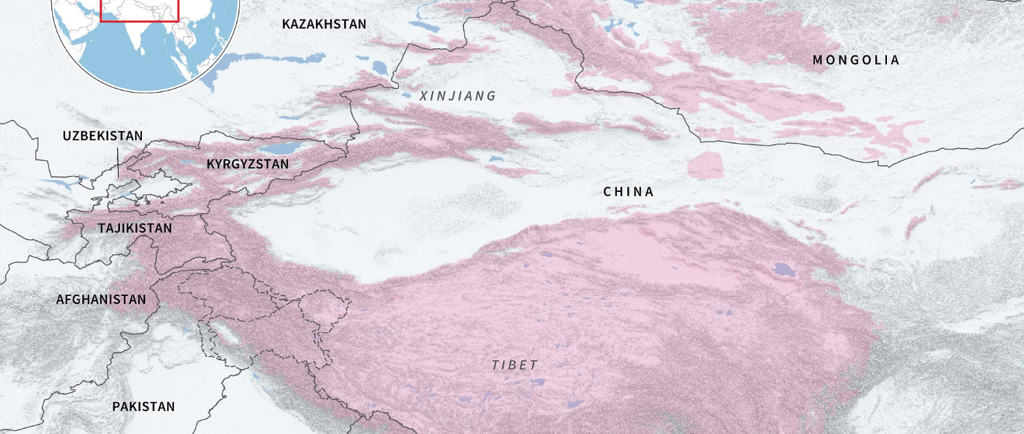
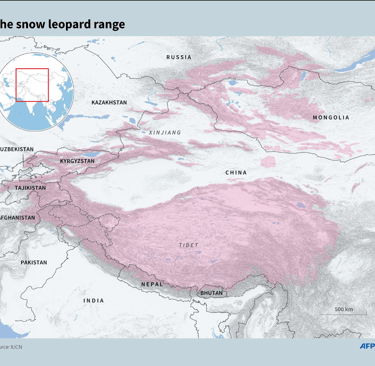
Snow leopards are found across 12 countries in Asia, including:
🇮🇳 India
🇳🇵 Nepal
🇧🇹 Bhutan
🇨🇳 China
🇵🇰 Pakistan
🇦🇫 Afghanistan
🇲🇳 Mongolia
🇷🇺 Russia
They prefer:
Rocky cliffs
Snowy mountains
Remote valleys
👉 Basically, places where humans rarely go.
🌟 7. Amazing Facts
❤️ Final Thoughts
Here are some mind-blowing facts:
🐾 Their paws reduce sound—making them silent hunters
👁️ They can’t roar like lions—but they can growl and chuff
🐍 Their tail stores fat and works like a blanket in cold
🕶️ They are extremely elusive—rarely seen in the wild
🏃 They can jump up to 15 meters in one leap
👉 That’s longer than a bus!
🛡️ 8. Conserving the Ghost
Saving snow leopards is not just about one animal—it’s about protecting entire ecosystems.
Conservation efforts include:
🚫 Anti-poaching patrols
🤝 Community awareness programs
🌲 Habitat protection
📷 Camera trap research
🐄 Compensation for livestock loss
Organizations and governments are working together to protect this species.
👉 When we save snow leopards, we save mountains, water sources, and biodiversity.
The Snow Leopard is more than just a beautiful animal—it’s a symbol of nature’s resilience and balance.
If it disappears, an entire ecosystem could collapse.
Let’s keep the ghost alive. 🐾